

26.02.2026
By Edutech Team
 The recent announcement across the UAE to continue distance learning following the spring break is a profound reminder of the primary responsibility we all share: the safety and well-being of our campus communities. During moments of uncertainty and challenging circumstances, the priority naturally shifts to protecting students and staff. Yet, alongside this priority is the vital commitment to ensuring that the thread of education remains unbroken. For institutional leaders, the goal is to navigate these necessary transitions smoothly, ensuring that students feel supported and that the quality of their academic journey remains steadfast.
At Edutech, we understand that pivoting instructional delivery is no small feat for any university. However, the systems and strategies we put in place today do more than just manage an immediate situation; they build resilient, adaptable institutions for the future. By leaning into a hybrid learning platform, higher education institutions can maintain smooth continuity and provide equitable learning experiences for every student, no matter where they are logging in from.
Here is a look at how higher education leaders can strategically support their institutions through hybrid learning models.
Benefits of Implementing a Hybrid Learning Environment
For academic leaders, the transition to hybrid and distance learning is fundamentally about institutional resilience and flexibility. Hybrid learning combines remote and asynchronous instruction, ensuring that students can continue to learn in a way that works for their current realities.
From an institutional standpoint, the benefits are clear. You can maintain academic momentum without compromising on the quality of education. Implementing a hybrid environment allows universities to accommodate diverse student situations - whether they are facing geographical barriers, managing family responsibilities, or dealing with temporary campus closures. Furthermore, it allows institutions to scale their reach and support higher enrollment without the immediate need to expand physical classroom infrastructure. By investing in these flexible pathways, universities demonstrate a commitment to accessibility and student success.
As a testament to how academic expectations are evolving, 68% of students are interested in taking courses that offer hybrid teaching methods.
How Educators Can Prepare for Hybrid Teaching
The challenge of distance learning rarely lies in the pedagogy itself but rather in practical execution. For deans and department heads, supporting faculty through this preparation phase is critical to creating an equitable learning environment.
Preparation starts with helping educators adapt their delivery model. Leaders should encourage faculty to thoroughly learn their teaching spaces, even if that space is currently a home office or an empty lecture hall. Testing is non-negotiable. Educators need the time and resources to verify that their audio is clear, their camera captures the necessary visuals, and their recording platforms function smoothly before a single student logs on.
Additionally, institutional leaders must work with faculty to establish clear communication. Students cannot meet expectations they do not know about. Educators should be prepared to send out adjusted class schedules, video links, and updated participation requirements well before the first distance-learning session begins.
Proven Tips and Best Practices for Effective Hybrid Instruction
For university leadership, promoting proven best practices across departments ensures a standardized, high-quality experience.
First, prioritize faculty training. Providing instructors with the time to understand the technology and practice their delivery saves weeks of troubleshooting down the line. A single, comprehensive training session on your institution’s chosen platforms can drastically reduce friction.
Second, champion equality in the learning experience. Instructors should be guided to create content that engages remote students just as actively as they would in a physical classroom. This means standardizing simple practices: pausing for online questions, mixing formats like short lectures with live polling, and ensuring all recorded materials include captions to support students with hearing impairments or language barriers.
Finally, consistency is key. CIOs and technology leaders must standardize the tools used across the institution. When faculty and students use the same video platform, conferencing software, and learning management system across all courses, they spend less time learning how to use new software and more time engaging with the curriculum.
Why Video Platforms Are Essential for the Hybrid Learning Experience
Without reliable video infrastructure, hybrid learning simply cannot function at the university level. Remote students require clear access to lectures, while asynchronous learners depend entirely on high-quality recordings they can review on their own schedules.
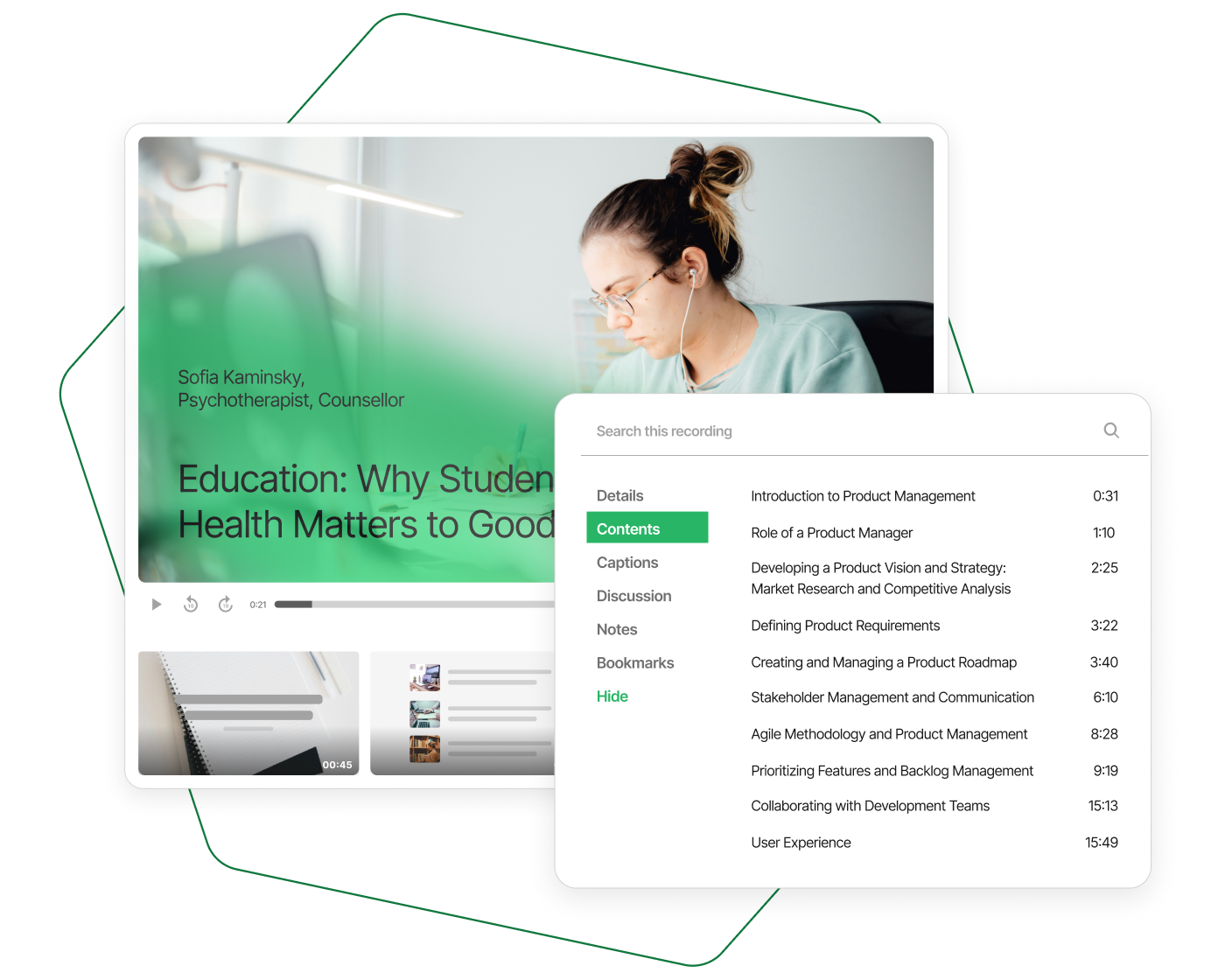
Most universities already have some technology in place, but the key is consolidation and ease of use. A comprehensive video platform like Panopto does everything in one place. Instead of recording in one application, editing in a second, and hosting in a third, educators can manage the entire lifecycle of their video content through a single, secure Video Content Management System (VCMS) that integrates directly with your existing LMS.
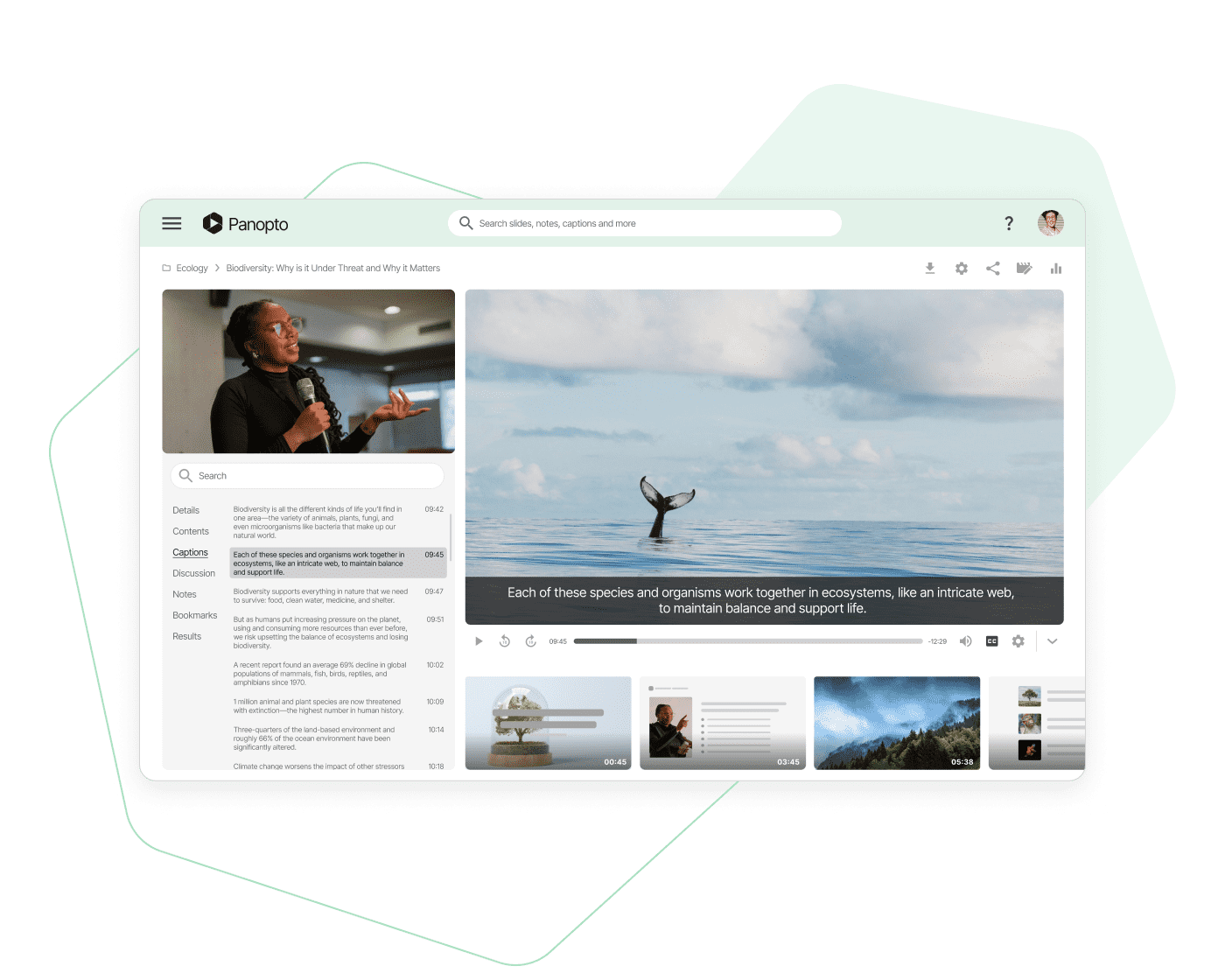
Furthermore, advanced video platforms provide interactive elements like threaded discussions, in-video quizzes, and variable playback speeds that keep remote students deeply engaged. Crucially, they also provide institutional leaders with detailed analytics. In a distance learning setup, you cannot rely on visual cues to see if a student is falling behind. Video analytics allow you to track exactly who is engaging with the material, which sections are being re-watched, and where students might need additional support.
Navigating these transitions requires thoughtful leadership and the right technological foundation. If your institution is looking to strengthen its distance learning capabilities and support your campus community through this period and beyond, we are here to help.
Watch a quick demo to see how Panopto’s Hybrid Learning Platform can support your university’s educational continuity.
Get your institution hybrid-ready. Contact us for a personalized demo: enquiry@edutech.com