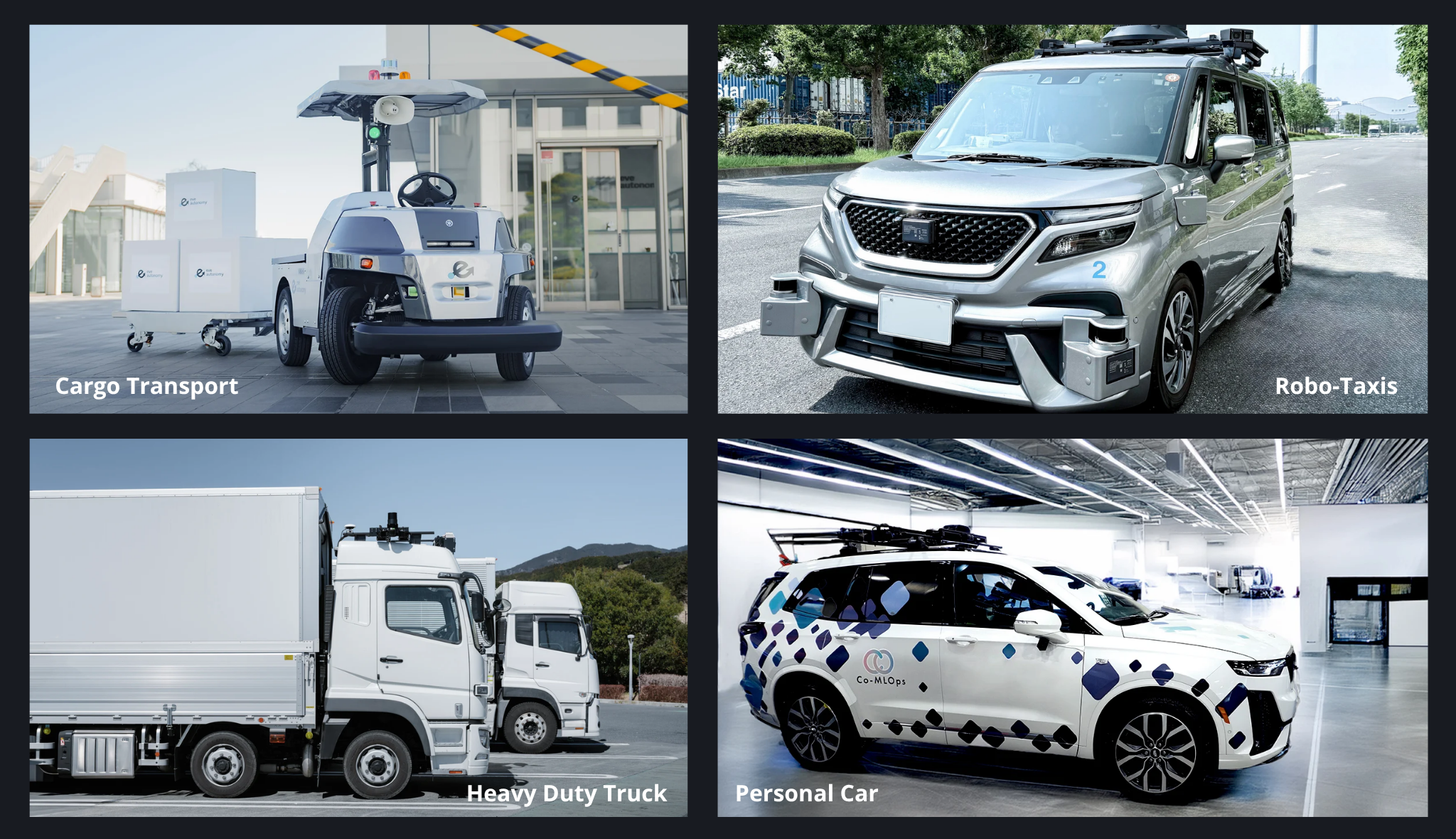
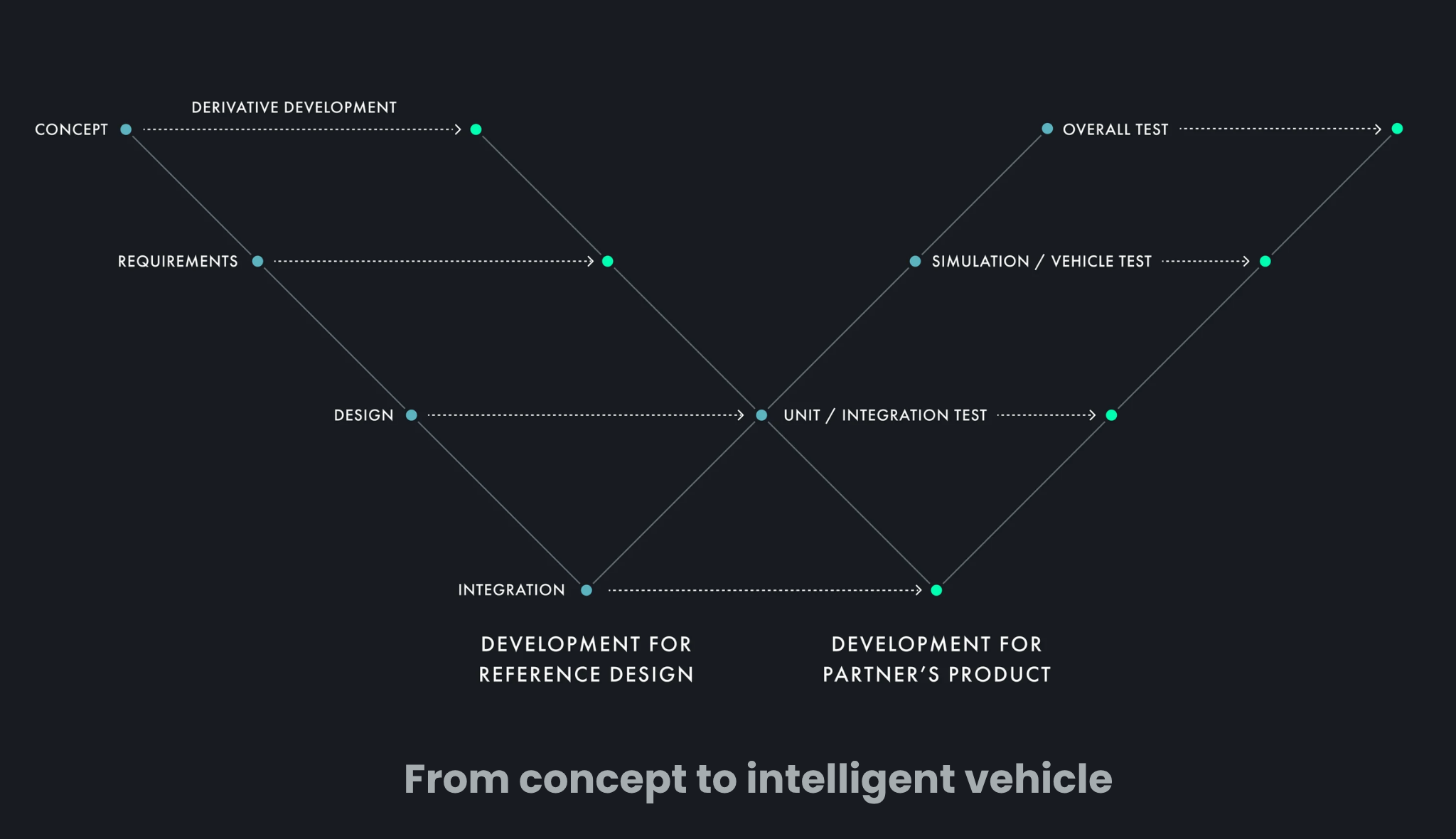
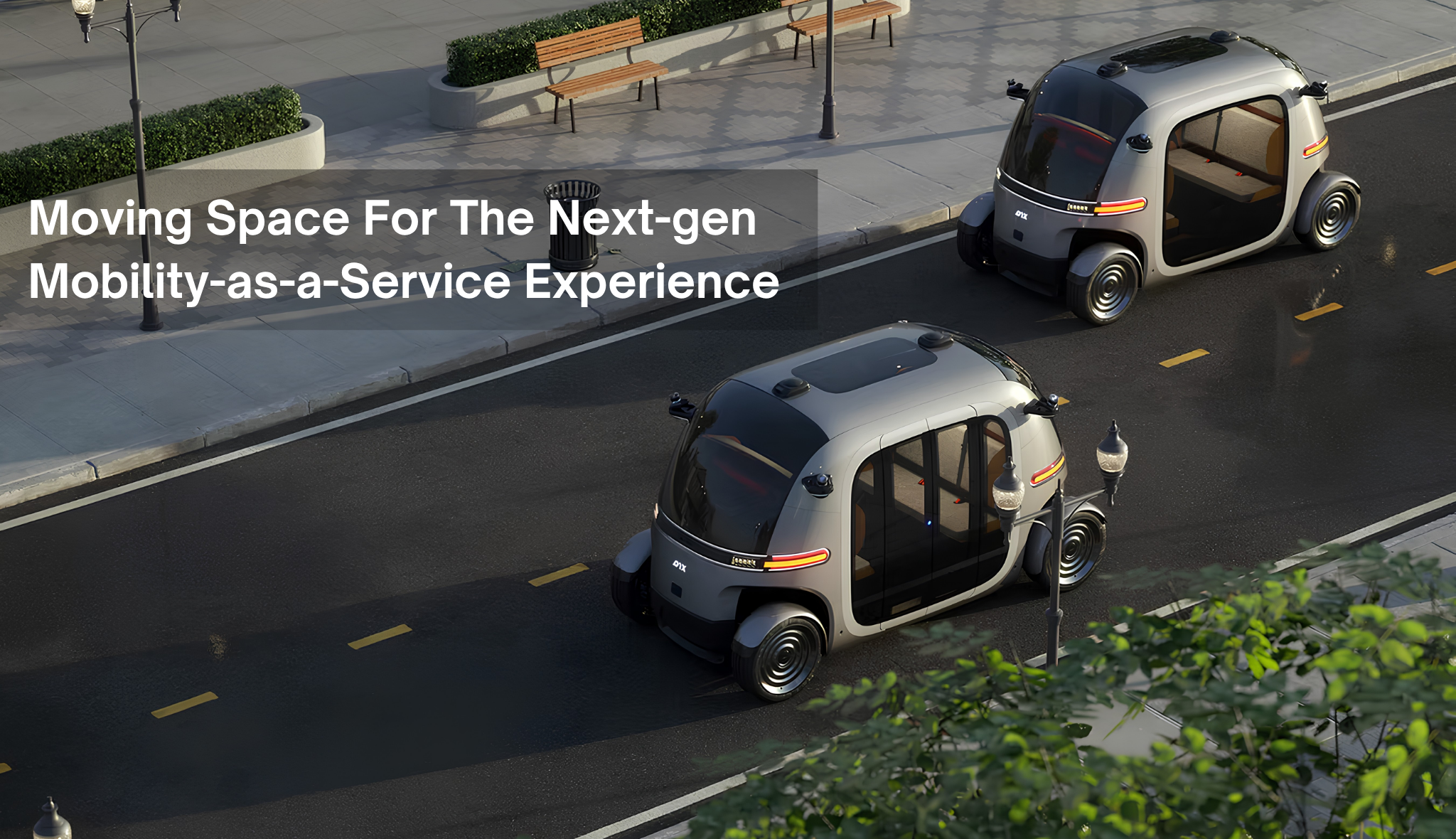
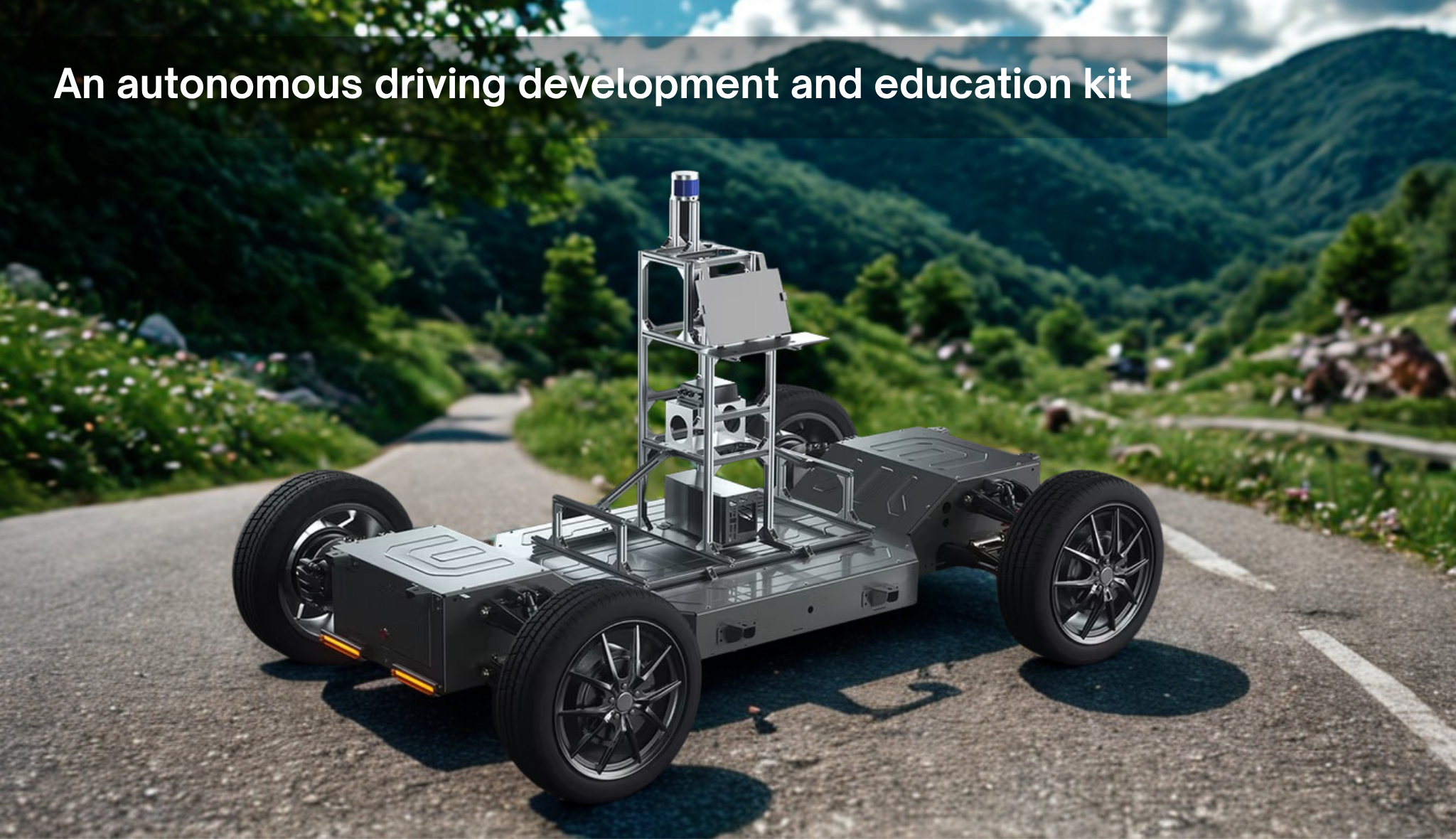
Autonomous vehicle technology is moving from research labs into real industry deployment, and vocational programs have a real opportunity to prepare students for this shift. A modern training track can be built around three connected layers, the driving software itself, the cloud tools used to manage and test it, and the hardware that brings it all together in a vehicle. Students learn to work with reference designs covering use cases like cargo transport, shuttle buses, robotaxis, and heavy duty trucks, giving them exposure to the kind of projects they may encounter in the field.
On the software side, learners get hands on with simulation environments, CI CD pipelines, and data management tools, the same kind of workflow used by real development teams. They also explore fleet management and remote operation tools, which teach the operational side of running autonomous vehicles safely at scale. This mix of technical depth and operational understanding is what makes graduates genuinely job ready rather than just familiar with theory.
For institutions building out STEM or vocational tracks in the region, this kind of program offers a practical bridge between classroom learning and industry expectations.
If you would like to explore how a curriculum like this could fit into your institution, we would be glad to walk you through it on a discovery call.