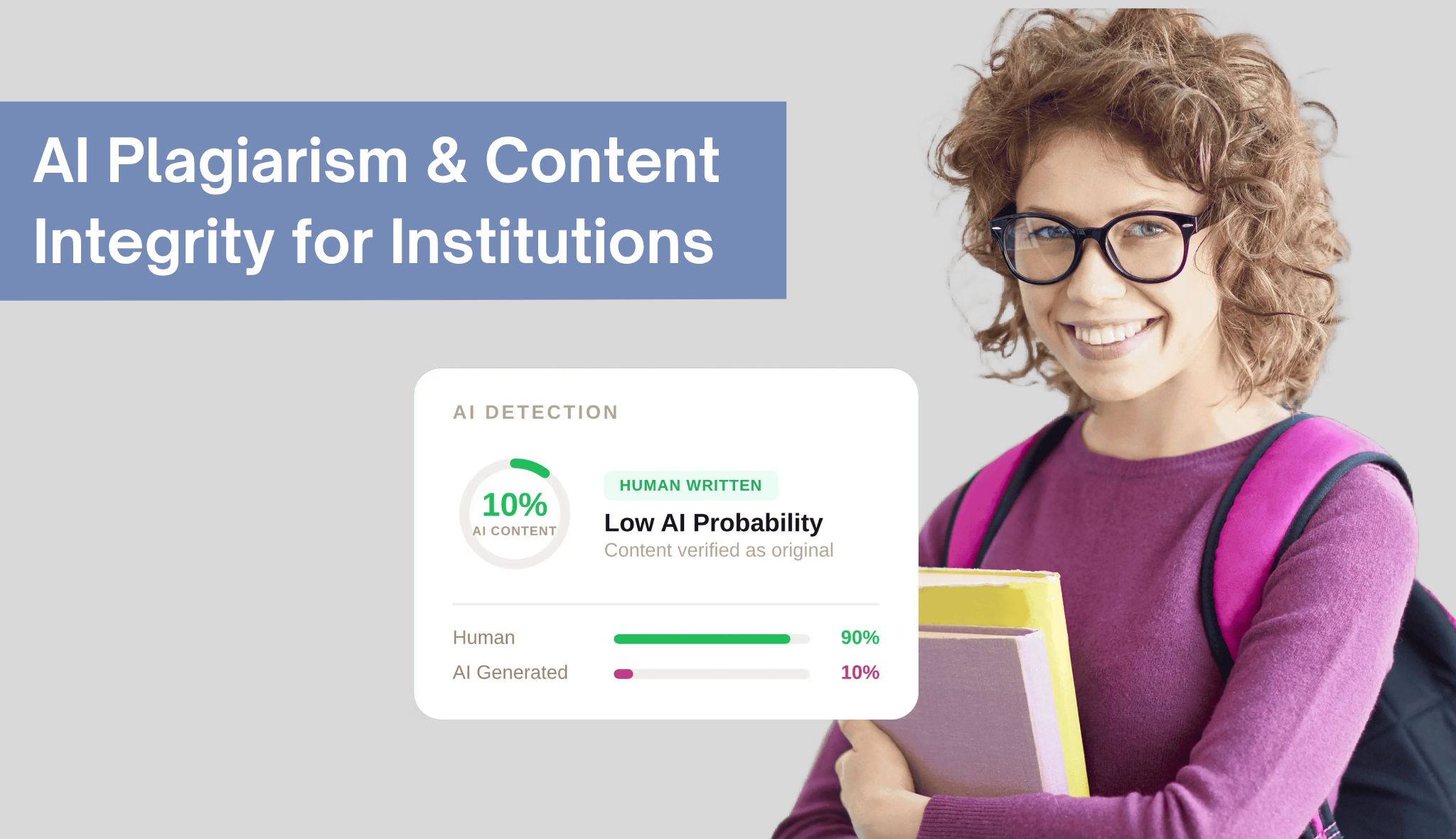
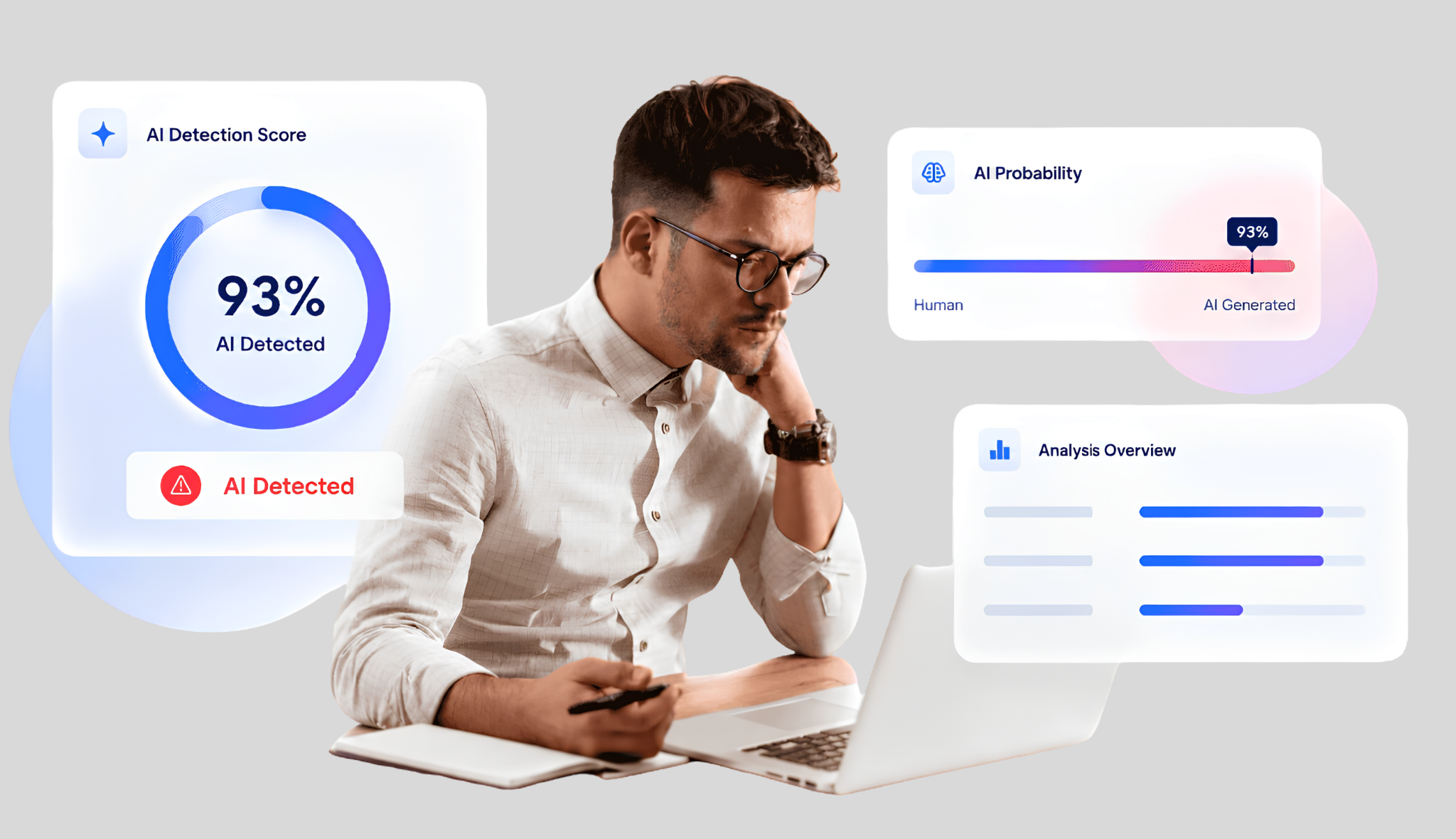
Protecting academic integrity has become more complex than ever, especially with the rise of AI writing tools that make it harder to tell where a student's original thinking ends and generated content begins. Our academic integrity solution addresses both sides of this challenge, combining traditional plagiarism detection with dedicated AI generated content identification, so institutions can catch not just copied text but also content that was written by AI tools rather than the student.
Detection works by scanning against an extensive database of web pages, journals, and academic publications, flagging even subtle instances of copied or AI-generated content with over 90% accuracy. For institutions across the Middle East, one of the biggest advantages is genuine multilingual support, with detection capabilities across more than 190 languages, including Arabic, so submissions in regional languages are checked with the same accuracy as English. This means faculty are not left relying on tools built primarily for English content while regional language submissions slip through with less scrutiny.
Reports are presented clearly, with similarity percentages and highlighted sections that make it easy for faculty to review flagged content quickly rather than sifting through complicated data. Institutions can also build their own internal repository of past research and submissions, allowing new work to be checked against an institution's own archive and not just external sources. This adds another layer of protection against issues like resubmission or internal duplication, which generic checkers often miss.
Altogether, it gives academic leaders a dependable way to uphold research and writing standards while keeping pace with how students are creating content today. It is a practical, low effort way to protect institutional reputation without adding extra manual work for faculty.
Interested in strengthening academic integrity across your institution? Book a discovery call with our team.